

Best Time to Visit Hawaii: A Month-by-Month Guide
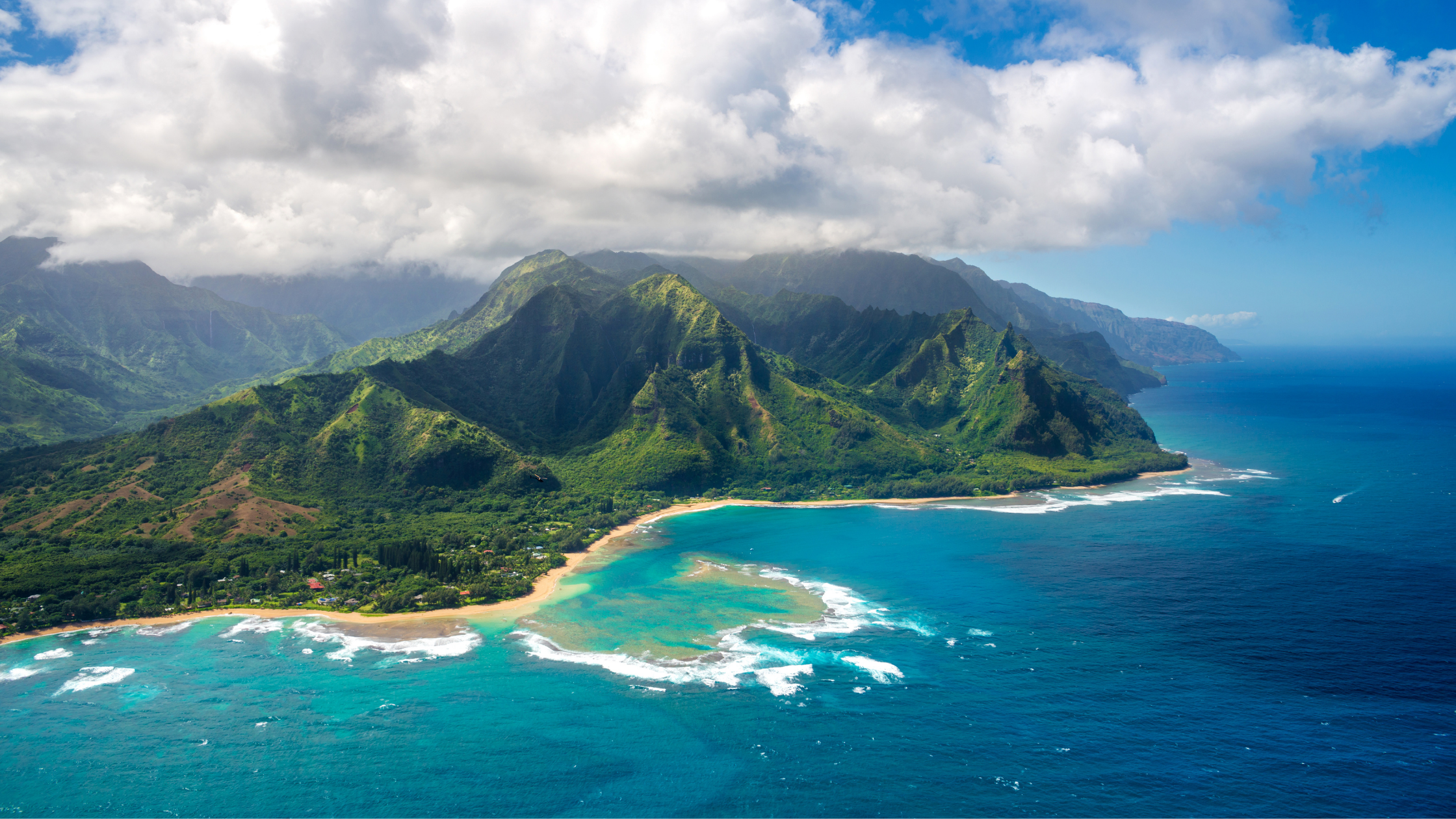
If you're dreaming of swaying palm trees, turquoise waters, breathtaking sunsets, and the unmistakable spirit of aloha, there's one question that almost every traveler asks: When is the best time to visit Hawaii?
The good news is that Hawaii is a year-round destination. Thanks to its tropical climate, temperatures typically stay between the mid-70s and mid-80s throughout the year, making it an incredible place to visit no matter the season. That said, each time of year offers its own unique experiences, weather patterns, and crowd levels. Choosing the right time depends on the kind of vacation you're hoping to have.
Spring (April–May): The Sweet Spot
For many travelers, spring is one of the absolute best times to visit Hawaii.
After the busy winter travel season ends, the islands become noticeably quieter. Beaches are less crowded, popular attractions are easier to enjoy, and you'll often find better airfare and hotel rates compared to peak travel periods.
The weather is also nearly perfect. Expect warm sunshine, comfortable temperatures, and relatively low humidity. Ocean conditions are generally calm, making it an excellent time for snorkeling, paddleboarding, and boat excursions.
If you're looking for a relaxing vacation with beautiful weather and fewer crowds, spring is hard to beat.
Summer (June–August): Perfect for Families
Summer is one of Hawaii's busiest travel seasons, especially for families taking advantage of school vacations.
The weather is warm, sunny, and ideal for spending long days at the beach. The ocean on many shores is calmer during the summer months, creating excellent conditions for swimming, snorkeling, and beginner surfers.
While this is a fantastic time to visit, it's important to plan ahead. Flights, accommodations, rental cars, and popular excursions tend to book quickly, and prices are generally higher during this season.
If you're traveling during the summer, booking several months in advance can help you secure the best availability and pricing.
Fall (September–Early December): A Hidden Gem
If you're looking for one of Hawaii's best-kept secrets, consider visiting in the fall.
Once summer vacation ends, visitor numbers begin to decline, creating a more peaceful atmosphere across the islands. The weather remains wonderfully warm, ocean temperatures are still perfect for swimming, and rainfall is typically minimal in many areas.
Fall often offers some of the best overall value, with lower hotel rates and more flexibility when planning activities.
For couples, honeymooners, or anyone seeking a quieter Hawaiian escape, September through early December is an outstanding choice.
Winter (Mid-December–March): Whale Season and Big Waves
Winter brings a completely different side of Hawaii.
This is the busiest travel season, especially during Christmas, New Year's, and spring break. Travelers escaping colder climates flock to the islands, resulting in higher prices and increased demand for accommodations.
However, winter also offers experiences you simply can't find during the rest of the year.
One of the biggest highlights is humpback whale season. Thousands of humpback whales migrate to Hawaii's warm waters each winter, making whale watching especially spectacular around Maui, Lanai, and the Big Island.
Winter is also famous for its massive surf on the north shores of several islands. Experienced surfers from around the world come to Hawaii to ride legendary waves, while spectators gather to watch incredible surfing competitions from the shore.
Keep in mind that some beaches, particularly on north-facing coastlines, can experience rough ocean conditions during winter. Always pay attention to local ocean safety advisories before entering the water.
Traveling Around Holidays
While Hawaii is wonderful year-round, a few holiday periods consistently bring larger crowds and higher prices:
Christmas and New Year's
Spring Break (typically March)
Thanksgiving week
Fourth of July
If your travel dates are flexible, avoiding these periods can often mean lower costs and a more relaxed experience.
So, When Is the Best Time to Visit?
The truth is, there isn't one perfect answer—it depends on what matters most to you.
For the best combination of weather, value, and smaller crowds: April, May, September, and October.
For family vacations: June through August.
For whale watching: December through March, with peak sightings from January through early March.
For surfing and watching world-class waves: Winter months.
For the lowest crowds and excellent value: Late spring and early fall.
No matter when you choose to visit, Hawaii offers unforgettable scenery, rich culture, incredible food, and endless opportunities for adventure and relaxation.
Whether you're hiking volcanic landscapes, snorkeling alongside tropical fish, sipping locally grown coffee, or simply enjoying a sunset from the beach, every season has something special waiting for you in the Hawaiian Islands.
Contact us to book your next Hawaii trip today!